In the modern world, many of us find ourselves under pressure to move fast and accomplish things. This pressure, which often comes from within, can often be counter-productive. It can lead to stress, burnout, and a loss of productivity in the long term.
Rising Stress Levels Highlight the Need to Slow Down
According to Mental Health UK’s ‘Burnout Report’, around one in five workers have taken time off work because of stress. Among adults aged 18-24, this rises to an astonishing two in five (39%). Thus, if you’re feeling stressed out, you might find that you’re part of a wider pattern.
All of this underscores the need for a movement in the other direction: one that supports greater well-being.
How Slow Living Supports Better Mental Wellbeing
This is where so-called ‘slow living’ comes in. This is a series of lifestyle changes that explicitly reject a fast pace, and that emphasise the importance of being mindful and contemplative. When you’re doing things slowly, after all, it’s much easier to focus on what you’re doing, and what you’re thinking about as you do it. The latest wellbeing statistics highlight the importance of being intentional, and how overwork correlates with workplace stress.
A Cultural Shift: Slow Living Goes Mainstream
Slow living, not so long ago, was a fairly niche concern. Now, however, we can certainly say that it’s gone mainstream. This is evident from an explosion in so-called ‘mindfulness’ meditation, and practices that seek to emulate some of its core principles. We’re also seeing a movement away from a major source of modern stress: the digital devices we use every day. You’ll find plenty of wellness-related resorts that are explicitly built around the idea of setting these devices aside, and rethinking how and why we use them.
Reconnecting with Nature to Reduce Stress
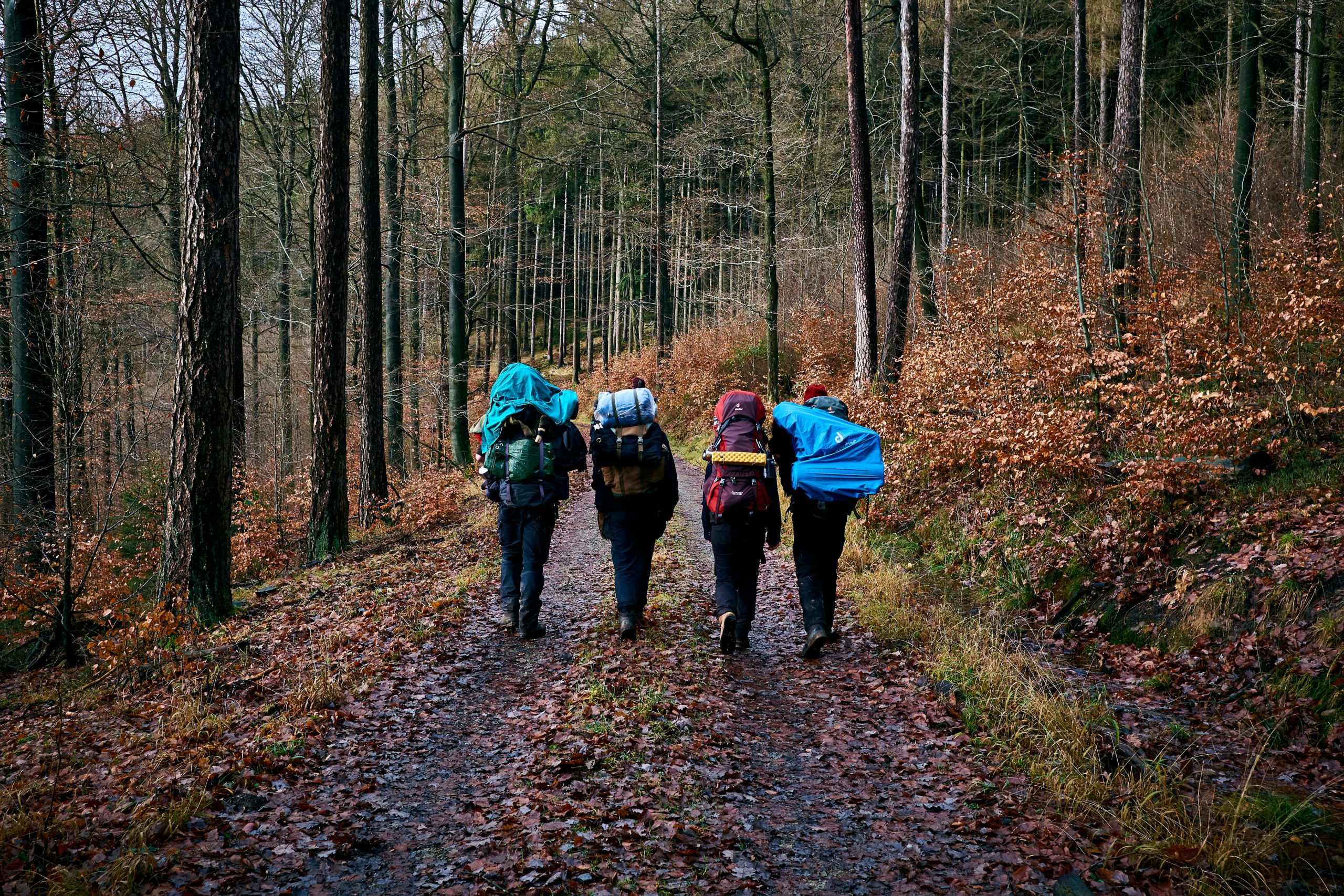
The more time we spend surrounded by nature, the better our mental health outcomes tend to be. If you can do exercise while you’re outdoors, then so much the better.
It’s often quite easy to introduce mindful time in nature into your day. You might go for a long walk through a local park, or spend your weekend time tending to your garden. Walking holidays are often a fantastic antidote to work-related stress. Whatever your chosen means of de-stressing, make sure that you’re consistent about it, and that you form a habit that will stick.
Slow Living as a Way to Manage Work–Life Imbalance
If you feel that your working life is beginning to intrude upon your personal time, then it’s natural that you’ll feel stressed. If your job isn’t secure, or it’s demanding all of your time, or if it forces you to constantly engage with toxic technology, then it might be time to think seriously about how you can counteract these effects through slow living – or whether you should look for a different job entirely!