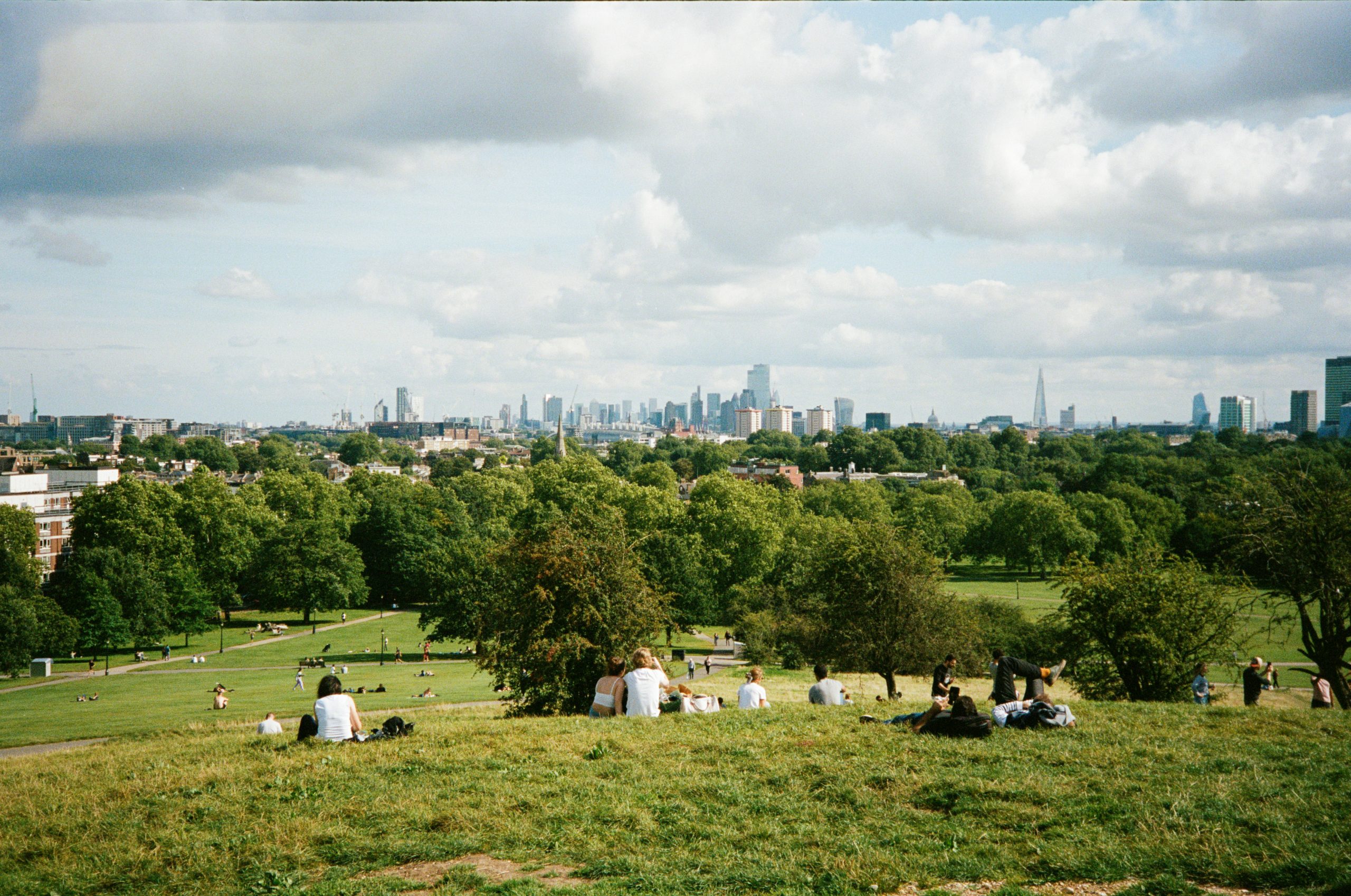
Some homes make mornings flow, while others slow you down before the kettle boils. The street outside or the light through the window affects your mood. Notably, the distance to all the local amenities decides how your days unfold. As cities adapt to hybrid work and tighter budgets, where you live carries more weight than ever. That’s why the search for apartments to rent in London now hinges on daily life rather than square footage alone.
Your home environment affects your everyday habits
The layout of your home shapes your routines in practical ways. When the kitchen sits near the front door, you grab breakfast on the way out instead of skipping it. When storage works, you waste less time hunting for keys. Light also matters; a bright living space encourages you to sit down with a book after work, while a dark room pushes you towards screens. Pay attention to how you move through your home at peak times. By tracing your own patterns, you can spot friction points and adjust routines to smooth the day.
How your surroundings shape your daily rhythm
Your neighbourhood sets the tempo. Things like late-night buses or a nearby park can influence when you socialise or how you spend your free time. A flat above a parade of shops suits someone who thrives on energy, while a quieter street helps you switch off after long hours. Transport options also dictate pace, as frequent buses invite spontaneity, while infrequent services demand planning. Visit an area at different times of day before moving to choose surroundings that align with your natural rhythm.
Design that supports your wellbeing
Design choices affect your body as much as your taste. A dining table that doubles as a desk can strain your back if the chair sits too low, while a sofa placed to catch the afternoon light can lift your mood during winter. Breathable fabrics and natural finishes make spaces feel calmer and easier to maintain. By adjusting heights, swapping harsh bulbs for warmer ones, and creating zones for work and rest, you support your health without major expense.
Community spaces that change how you connect
Shared spaces extend your living area beyond four walls. A communal garden or local café that is frequented by your neighbours can turn strangers into familiar faces. These places reduce isolation because they give you low-pressure ways to connect. Build a short list of nearby places where people naturally linger. Regular presence, even for ten minutes, helps relationships grow organically and makes the area feel like home.
Location influences your routine as much as your home does
Distance shapes behaviour. When basic amenities, including grocery stores, gyms, schools, and green spaces, sit within walking distance, you live a more active lifestyle – even if unintentional. A shorter commute gives you back time for cooking or exercise, while a longer one eats into evenings. Even small shifts matter. Saving fifteen minutes each way adds up over a week. Map a typical weekday from door to door. This exercise reveals where time slips away and shows which locations support the life you want to lead, not just the one you have now.